
Roofline Services
Add a review FollowOverview
-
Founded Date July 16, 1995
-
Sectors Security Guard
-
Posted Jobs 0
-
Viewed 109
Company Description
17 Reasons Why You Should Ignore Fascia And Soffit
Understanding Fascia and Soffit: Key Components of Roofing and Exterior Design
When it pertains to home construction and design, every detail contributes to the general longevity, performance, and looks of the structure. Among these details, fascia and soffit play crucial functions in both functionality and look. This post supplies a thorough understanding of fascia and soffit, their functions, materials, maintenance, and installation practices.
What are Fascia and Soffit?
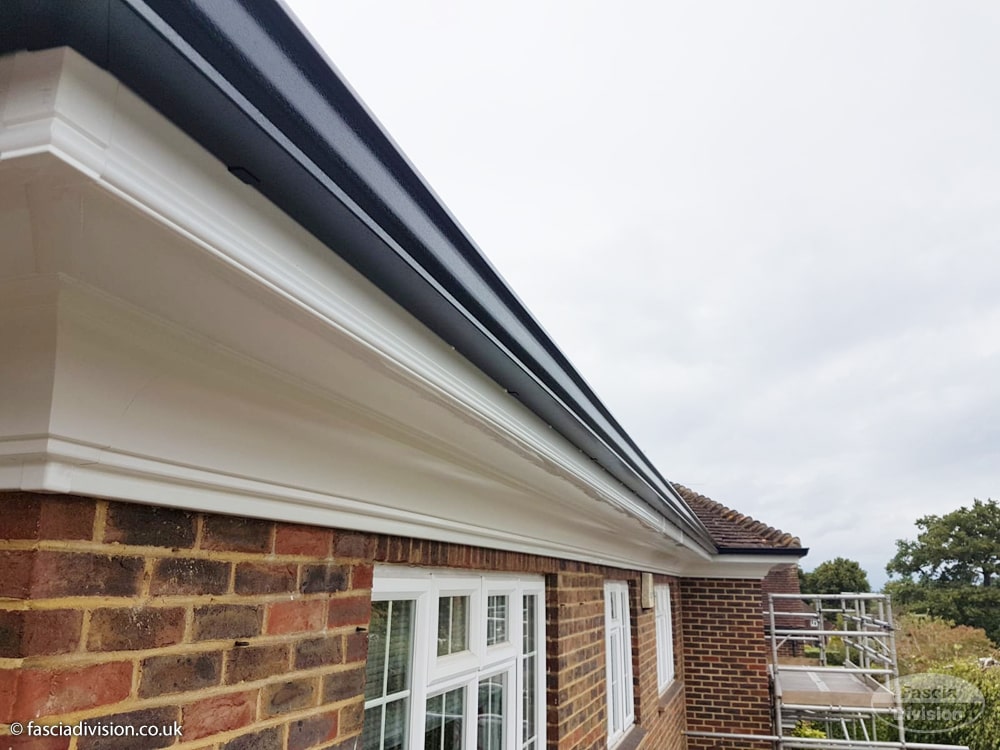
Fascia and soffit are vital components of a building’s roof, impacting its efficiency and appearance.
-
Fascia is the horizontal board that runs along the edge of the roof. It is usually connected to the ends of the rafters and serves as a leader for rainwater from the roof, helping to prevent wetness damage. In addition, fascia boards provide a completed seek to the roof’s edge and often act as a mounting area for seamless gutters.
-
Soffit is the underside of the eaves, bridging the gap in between the siding and the roofline. It shows up from the ground and can enhance the looks of the building’s exterior. More notably, soffit plays a critical role in ventilation for the attic, assisting to regulate temperature level and wetness, therefore preventing mold and rot.
Why Are Fascia and Soffit Important?
Fascia Installation and soffit add to the total integrity and look of a home. Here are some crucial points highlighting their value:
- Protection from Water Damage: Fascia directs water into the rain gutters, avoiding it from leaking into the walls and foundation.
- Ventilation: Soffit permits air flow into the attic area, aiding in temperature regulation.
- Aesthetic Appeal: Both fascia and soffit improve the visual profile of a home, supplying a polished and ended up appearance.
- Pest Prevention: Properly installed soffits avoid insects such as birds, insects, and rodents from nesting in the eaves.
Typical Materials for Fascia and Soffit
Selecting the best materials for fascia and soffit is vital for sturdiness and maintenance. Here are the most typical products used:
| Material | Description | Pros | Cons |
|---|---|---|---|
| Wood | Standard product for fascia and soffit, available in various surfaces. | High aesthetic appeal, customizable. | Prone to rot without proper treatment. |
| Vinyl | A low-maintenance option, frequently readily available in multiple colors. | Resistant to rot, no painting needed. | Can end up being fragile over time. |
| Aluminum | Light-weight and rust-resistant, often utilized in modern-day styles. | Durable and lasting. | Dents easily, may need special tools for installation. |
| Fiber Cement | A composite material that imitates wood however has greater resilience. | Fireproof and highly durable. | Heavier and more pricey. |
Installation of Fascia and Soffit
Proper installation is important to guaranteeing the durability and efficiency of fascia and soffit. Here’s a concise guide for the installation process:
Fascia Installation
- Procedure and Cut: Measure the length of the fascia board required and sufficed to size utilizing suitable tools.
- Assistance: Ensure the board is appropriately supported versus the ends of the rafters.
- Secure: Use corrosion-resistant screws or nails to protect the fascia board to the rafter ends.
- Finish: Depending on the product, apply paint, stain, or sealant for added security if needed.
Soffit Installation
- Preparation: Start with the framing. Cutting back the overhang of the rafters for soffit installation.
- Ventilation: If utilizing aerated soffit, install it first, ensuring holes align with the attic space.
- Secure Panels: Attach the soffit panels, typically beginning with one end and working toward the other, ensuring they are secured sufficiently.
- Finish Edges: Finally, cap the edges to prevent water invasion and provide a polished appearance.
Maintenance of Fascia and Soffit
Routine maintenance guarantees the longevity of fascia and soffit. Here are some ideas for keeping these vital elements:
- Inspect Regularly: Routine examinations for indications of rot, mold, or insect problems are important.
- Cleansing: Gently clean fascia and soffit to eliminate particles, dirt, and mildew.
- Paint/Sealant: Reapply paint or sealant as necessary, especially for wood products that are susceptible to damage.
- Look for Leaks: Ensure rain gutters are functioning properly to prevent water from pooling against the fascia.
Frequently asked questions
Q1: How frequently should I examine my fascia and soffit?
It is recommended to examine them a minimum of two times a year, particularly after severe weather conditions.
Q2: Can I set up fascia and soffit myself?
Yes, however it requires basic woodworking abilities and the right tools. If you’re uncertain, it’s best to work with a professional.
Q3: What indications suggest that my fascia or soffit requirements replacing?
Look out for drooping, discoloration, peeling paint, signs of bugs, or water damage, which all recommend it may be time for replacement.
Q4: Are there energy performance advantages associated with soffit ventilation?
Yes, appropriate ventilation minimizes heat build-up in the attic, enhancing energy efficiency by lowering the load on a/c systems throughout hot months.
Q5: What is the ideal product for fascia and soffit?
The very best product depends upon your spending plan, climate considerations, and visual choices. Typically, vinyl or aluminum are chosen for low maintenance, while wood offers high aesthetic appeal but needs more upkeep.
Understanding fascia and soffit is crucial for property owners looking for to improve the performance and aesthetic appeal of their roofing systems. These parts play a substantial function in protecting your home from water damage, permitting appropriate ventilation, and preventing pest problems. By selecting the best materials, guaranteeing correct installation, and undertaking routine maintenance, homeowners can optimize the longevity and efficiency of their fascia and soffit, contributing to the total health and beauty of their homes.