
Hnycareershub
Add a review FollowOverview
-
Founded Date April 8, 1992
-
Sectors Security Guard
-
Posted Jobs 0
-
Viewed 923
Company Description
NHS: Belonging in White Corridors
Within the bustling halls of an NHS hospital in Birmingham, a young man named James Stokes moves with quiet purpose. His smart shoes barely make a sound as he greets colleagues—some by name, others with the universal currency of a “how are you.”

James displays his credentials not merely as institutional identification but as a symbol of belonging. It rests against a well-maintained uniform that betrays nothing of the difficult path that brought him here.
What distinguishes James from many of his colleagues is not visible on the surface. His presence reveals nothing of the fact that he was among the first participants of the NHS Universal Family Programme—an initiative designed specifically for young people who have spent time in care.
“It felt like the NHS was putting its arm around me,” James explains, his voice measured but carrying undertones of feeling. His observation captures the core of a programme that aims to reinvent how the vast healthcare system approaches care leavers—those frequently marginalized young people aged 16-25 who have graduated out of the care system.
The figures paint a stark picture. Care leavers often face greater psychological challenges, economic uncertainty, accommodation difficulties, and reduced scholarly attainment compared to their age-mates. Behind these clinical numbers are personal narratives of young people who have maneuvered through a system that, despite good efforts, regularly misses the mark in offering the nurturing environment that forms most young lives.
The NHS Universal Family Programme, launched in January 2023 following NHS England’s pledge to the Care Leaver Covenant, signifies a significant change in organizational perspective. Fundamentally, it acknowledges that the whole state and civil society should function as a “communal support system” for those who haven’t known the constancy of a traditional family setting.
Ten pioneering healthcare collectives across England have led the way, creating structures that reimagine how the NHS—one of Europe’s largest employers—can extend opportunities to care leavers.
The Programme is thorough in its strategy, initiating with thorough assessments of existing practices, forming governance structures, and obtaining leadership support. It understands that successful integration requires more than good intentions—it demands practical measures.
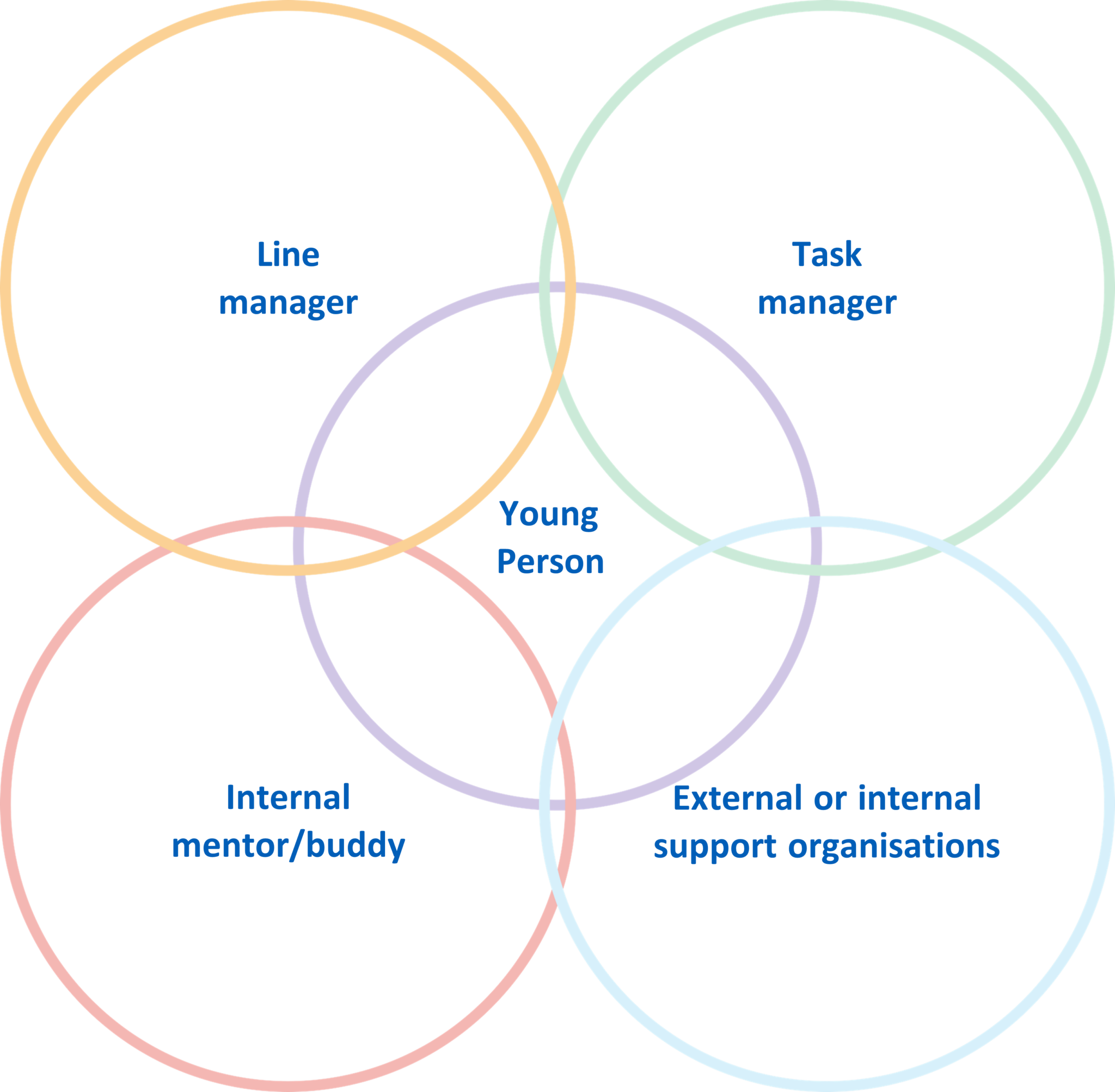
In NHS Birmingham and Solihull ICB, where James found his footing, they’ve created a consistent support system with representatives who can offer support, advice, and guidance on personal welfare, HR matters, recruitment, and inclusivity efforts.
The conventional NHS recruitment process—formal and potentially intimidating—has been intentionally adjusted. Job advertisements now focus on personal qualities rather than long lists of credentials. Applications have been redesigned to accommodate the unique challenges care leavers might experience—from lacking professional references to struggling with internet access.
Possibly most crucially, the Programme recognizes that beginning employment can pose particular problems for care leavers who may be managing independent living without the support of parental assistance. Matters like commuting fees, proper ID, and banking arrangements—assumed basic by many—can become significant barriers.
The elegance of the Programme lies in its attention to detail—from outlining compensation information to offering travel loans until that critical first wage disbursement. Even apparently small matters like coffee breaks and office etiquette are thoughtfully covered.
For James, whose professional path has “transformed” his life, the Programme delivered more than work. It gave him a sense of belonging—that ineffable quality that emerges when someone feels valued not despite their past but because their unique life experiences improves the workplace.
“Working for the NHS isn’t just about doctors and nurses,” James notes, his eyes reflecting the subtle satisfaction of someone who has discovered belonging. “It’s about a family of different jobs and roles, a group of people who genuinely care.”
The NHS Universal Family Programme represents more than an employment initiative. It exists as a powerful statement that organizations can change to embrace those who have navigated different paths. In doing so, they not only change personal trajectories but improve their services through the special insights that care leavers contribute.
As James walks the corridors, his participation subtly proves that with the right support, care leavers can thrive in environments once thought inaccessible. The embrace that the NHS has extended through this Programme represents not charity but recognition of overlooked talent and the profound truth that each individual warrants a support system that believes in them.