
England Nhs
Add a review FollowOverview
-
Founded Date May 10, 1989
-
Sectors Security Guard
-
Posted Jobs 0
-
Viewed 634
Company Description
NHS: Belonging in White Corridors
In the sterile corridors of Birmingham Women’s and Children’s NHS Foundation Trust, a young man named James Stokes carries himself with the measured poise of someone who has found his place. His oxford shoes move with deliberate precision as he acknowledges colleagues—some by name, others with the familiar currency of a “good morning.”
James wears his NHS lanyard not merely as an employee badge but as a testament of inclusion. It rests against a well-maintained uniform that offers no clue of the difficult path that led him to this place.
What sets apart James from many of his colleagues is not obvious to the casual observer. His bearing discloses nothing of the fact that he was among the first participants of the NHS Universal Family Programme—an effort designed specifically for young people who have experienced life in local authority care.
“It felt like the NHS was putting its arm around me,” James says, his voice measured but tinged with emotion. His statement encapsulates the essence of a programme that seeks to reinvent how the enormous healthcare system perceives care leavers—those frequently marginalized young people aged 16-25 who have graduated out of the care system.
The numbers tell a troubling story. Care leavers often face poorer mental health outcomes, economic uncertainty, housing precarity, and reduced scholarly attainment compared to their age-mates. Beneath these clinical numbers are human stories of young people who have navigated a system that, despite best intentions, often falls short in offering the nurturing environment that molds most young lives.
The NHS Universal Family Programme, launched in January 2023 following NHS England’s pledge to the Care Leaver Covenant, represents a significant change in organizational perspective. At its heart, it accepts that the complete state and civil society should function as a “communal support system” for those who haven’t experienced the constancy of a conventional home.

Ten pioneering healthcare collectives across England have led the way, creating structures that rethink how the NHS—one of Europe’s largest employers—can extend opportunities to care leavers.
The Programme is detailed in its approach, beginning with thorough assessments of existing policies, creating management frameworks, and securing leadership support. It recognizes that meaningful participation requires more than noble aims—it demands tangible actions.
In NHS Birmingham and Solihull ICB, where James began his journey, they’ve established a reliable information exchange with representatives who can deliver help and direction on personal welfare, HR matters, recruitment, and equality, diversity, and inclusion.
The traditional NHS recruitment process—structured and potentially intimidating—has been intentionally adjusted. Job advertisements now emphasize attitudinal traits rather than numerous requirements. Application procedures have been redesigned to address the unique challenges care leavers might experience—from not having work-related contacts to facing barriers to internet access.
Possibly most crucially, the Programme recognizes that starting a job can pose particular problems for care leavers who may be navigating autonomy without the safety net of family resources. Matters like transportation costs, proper ID, and banking arrangements—considered standard by many—can become major obstacles.
The elegance of the Programme lies in its thorough planning—from clarifying salary details to helping with commuting costs until that crucial first salary payment. Even seemingly minor aspects like rest periods and office etiquette are thoughtfully covered.
For James, whose professional path has “changed” his life, the Programme provided more than work. It gave him a sense of belonging—that elusive quality that emerges when someone senses worth not despite their history but because their unique life experiences enriches the institution.
“Working for the NHS isn’t just about doctors and nurses,” James comments, his eyes reflecting the modest fulfillment of someone who has found his place. “It’s about a collective of different jobs and roles, a family of people who genuinely care.”
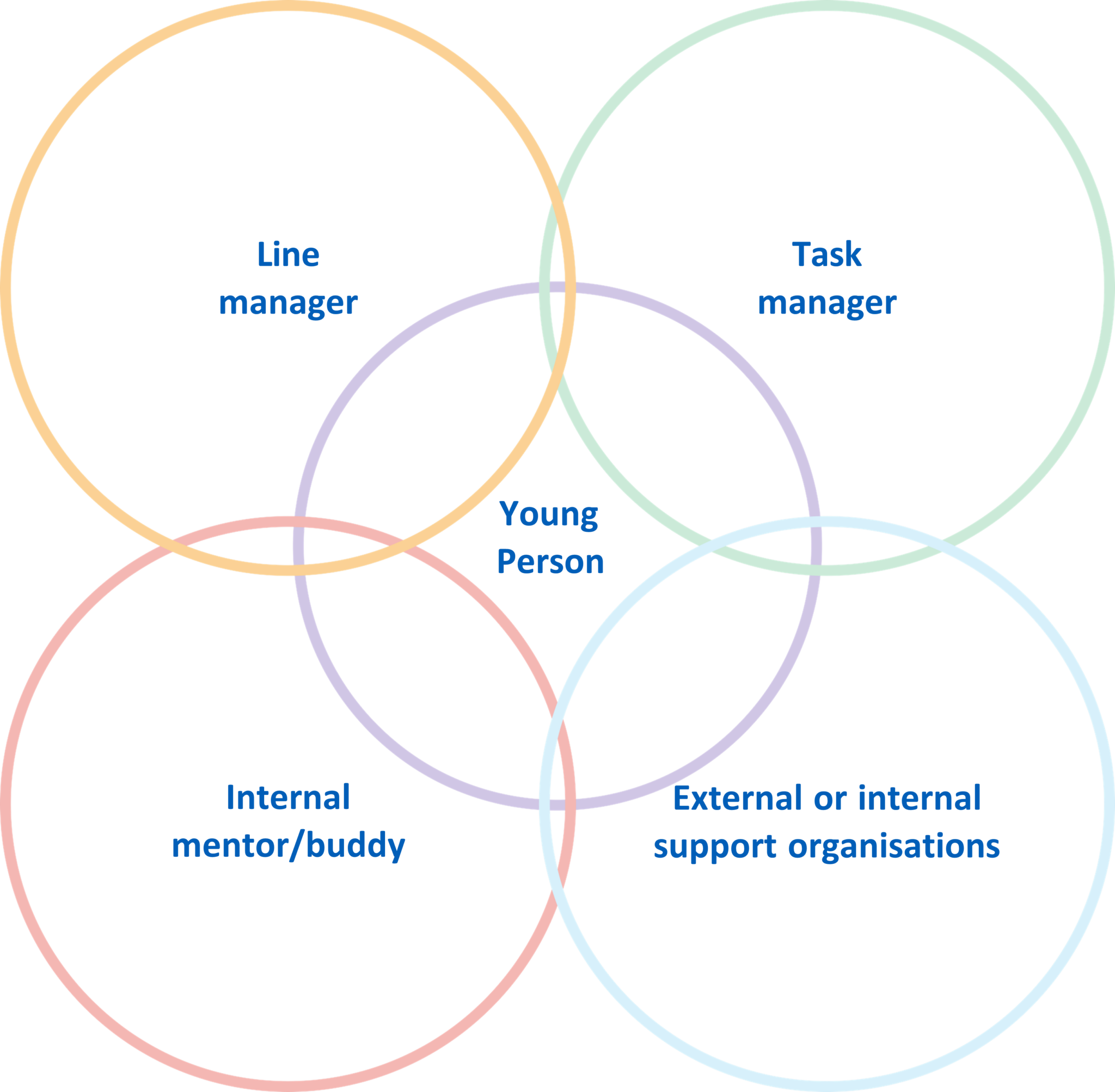
The NHS Universal Family Programme embodies more than an job scheme. It functions as a bold declaration that systems can evolve to welcome those who have experienced life differently. In doing so, they not only transform individual lives but enrich themselves through the special insights that care leavers bring to the table.
As James navigates his workplace, his participation subtly proves that with the right assistance, care leavers can thrive in environments once deemed unattainable. The embrace that the NHS has extended through this Programme signifies not charity but appreciation of untapped potential and the fundamental reality that each individual warrants a support system that believes in them.