
40ft Shipping Container
Add a review FollowOverview
-
Founded Date June 20, 1963
-
Sectors Security Guard
-
Posted Jobs 0
-
Viewed 98
Company Description
The Leading Reasons Why People Achieve In The Shipping Container Architecture Industry
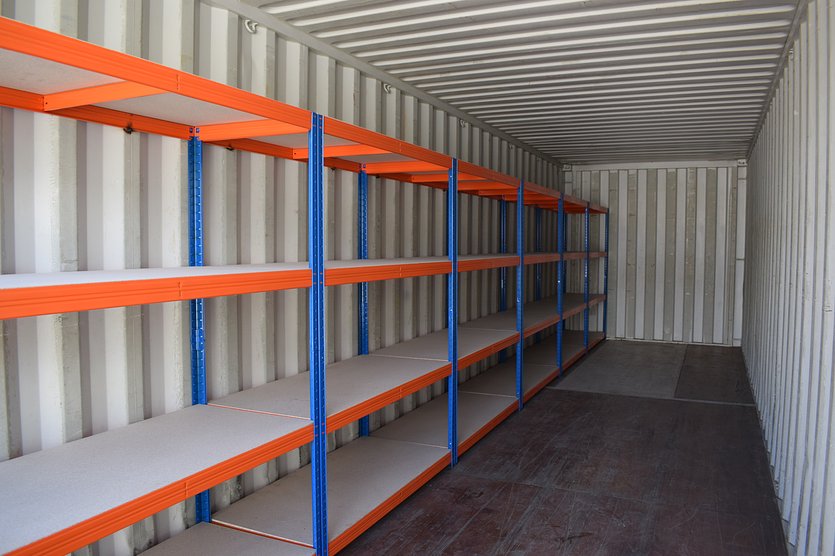
Shipping Container Architecture: A Sustainable Future for Building Design
In the world of architecture and construction, development constantly presses the borders of what’s possible. One such pattern that has gained substantial traction in the last few years is shipping container architecture. This approach converts repurposed shipping containers into practical living and working areas, offering an environmentally friendly, cost-effective, and visually pleasing alternative to conventional building methods. This article digs into the benefits, difficulties, and various applications of shipping container architecture while dealing with regularly asked concerns and offering an overview of the design procedure.
What is Shipping Container Architecture?
Shipping container architecture involves the design and construction of structures utilizing intermodal containers as the main building material. These steel boxes, originally meant for transferring items throughout oceans, are admired for their strength, durability, and modularity. The trend has actually developed into a robust movement in sustainable structure practices, attracting eco-conscious designers, contractors, and property owners alike.
| Key Features of Shipping Containers | |
|---|---|
| Materials | Steel, insulation materials, glass, and so on. |
| Modularity | Quickly stackable and movable |
| Sturdiness | Resistant to rot, pests, and severe weather condition |
| Affordability | Lower construction and functional expenses |
Benefits of Shipping Container Architecture
-
Sustainability: One of the most considerable advantages of shipping container architecture is its eco-friendliness. By repurposing these containers, builders add to product reuse and lower waste. Furthermore, their durability extends the life process of the raw products, reducing the demand for new resources.
-
Cost-Effectiveness: Shipping containers are normally less pricey than standard building products. Their availability in the pre-owned market likewise contributes to lower expenses, making them an appealing alternative for budget-sensitive projects.
-
Speed of Construction: Shipping container structures can be developed fairly quickly, as numerous of the parts are pre-fabricated. This speed enables quicker occupancy, which is important in housing crises or for momentary setups.
-
Design Flexibility: Shipping containers can be integrated, stacked, and modified thoroughly, providing architects with ample chances to create distinct styles that accommodate particular needs and aesthetic appeals.
-
Mobility: Shipping container structures can be transferred easily, making them perfect for momentary structures or mobile living solutions.
Obstacles of Shipping Container Architecture
While the benefits of shipping container architecture are large, it is necessary to think about the potential obstacles also.
-
Insulation: The metal structure of shipping containers postures challenges concerning temperature level policy. Proper insulation is required to guarantee convenience in both cold and hot climates.
-
Zoning Laws and Regulations: Depending on regional guidelines, getting consent to build a shipping container home can be complicated. Each municipality has various building regulations that may not acknowledge shipping containers as acceptable building materials.
-
Modifications: While containers are structurally strong, modifications such as cutting and welding can deteriorate their stability. Appropriate engineering is required to guarantee safety and durability.
-
Rust and Corrosion: Shipping containers are created for maritime use, however extended direct exposure to wetness can result in rust. Treatments and finishes are typically needed to combat this issue.
| Difficulty | Potential Solution |
|---|---|
| Insulation | Premium insulation materials and techniques |
| Zoning Regulations | Assessment with local authorities and adherence to codes |
| Modifications | Engage expert architects and engineers |
| Rust and Corrosion | Use appropriate finishes and positioning strategies |
Applications of Shipping Container Architecture
Shipping container architecture is versatile and can be utilized in numerous sectors. Here are a few of the most popular applications:
-
Residential Homes: Many property owners welcome container homes as a sustainable living alternative. With imaginative styles and designs, they can be changed into comfy, modern homes.
-
Commercial Spaces: Retail shops, cafes, and workplaces can also gain from shipping containers due to their special appeal and fast construction. Mobile food trucks have acquired immense popularity as a result.
-
Emergency situation Shelters: Shipping containers can be rapidly modified into momentary housing units for disaster relief situations, making them integral to humanitarian efforts.
-
Pop-Up Developments: Container architecture enables for momentary setups for events, festivals, or markets, cogcontainersltd offering distinct experiences while minimizing construction expenses.
Designing with Shipping Containers
The design procedure for a shipping container job normally involves the following actions:
-
Concept Development: Define the function and overall vision for the container structure.
-
Site Assessment: Evaluate the site for zoning limitations, gain access to, and utility connections.
-
Container Sourcing: Identify and acquire the required shipping containers based upon size, condition, and budget.
-
Architectural Planning: Collaborate with designers or design professionals to create comprehensive plans, designs, and structural engineering examinations.
-
Construction: Engage construction professionals with experience in working with shipping containers, guaranteeing that all modifications comply with security standards.
-
Finishing Touches: Install utilities, insulation, interior finishes, and landscaping to finish the task.
Often Asked Questions
Q1: Are shipping container homes inexpensive?A: Yes, shipping container homes can be more affordable than conventional homes, especially if you buy used containers and manage some of the labor yourself.
Q2: Are shipping containers resilient?A: Shipping containers are incredibly durable and can hold up against severe weather, however proper treatment is needed to reduce rust and deterioration.
Q3: Can shipping container homes be personalized?A: Absolutely! Shipping containers can be quickly modified to match different design requirements, including design modifications and aesthetic choices.
Q4: Do shipping container homes require structure authorizations?A: Yes, structure licenses are usually needed, and it is vital to inspect local zoning laws beforehand.
Shipping container architecture represents a revolutionary and sustainable method to constructing design. With numerous advantages, consisting of ecological advantages, cost-effectiveness, and design flexibility, this trend is an excellent choice for ingenious architecture. Nevertheless, prospective home builders must thoroughly think about possible obstacles and the needed steps for a successful task. As society gravitates toward sustainable practices, shipping container architecture is most likely to end up being a progressively feasible and appealing service for modern-day living and workplace.